The surgeon has told you that your child needs a stoma — perhaps a colostomy or an ileostomy. You may be picturing a bag on the tummy and wondering what life will be like, whether it is permanent, and how you will care for it. Take a breath. In children a stoma is very often a temporary, lifesaving step that is later closed. Here is what a stoma is, why your child may need one, how to care for it, and what to watch for.
What Is a Stoma?
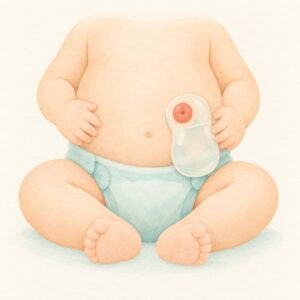
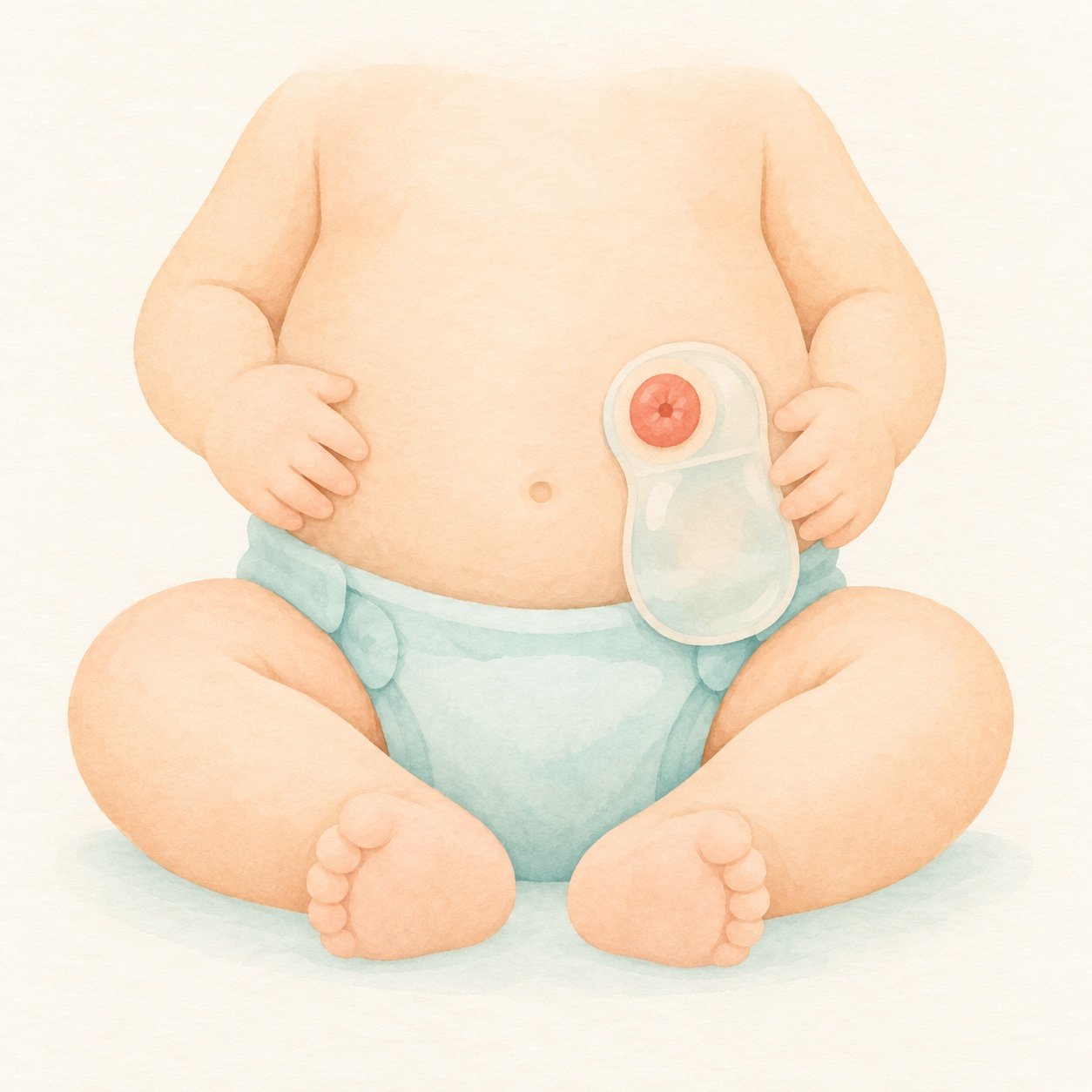
A stoma is an opening made on the surface of the tummy, through which a part of the bowel is brought out. Stool (and gas) then passes out through this opening into a bag stuck to the skin, instead of going all the way down to the bottom. This rests the bowel below the stoma and lets it heal, or bypasses a part that is blocked, injured or not yet fixed. Most children’s stomas are made in the newborn period — more than half are placed in newborn babies, and another quarter in infants under one year of age.
Colostomy and Ileostomy — What Is the Difference?
The name simply tells you which part of the bowel was brought out.
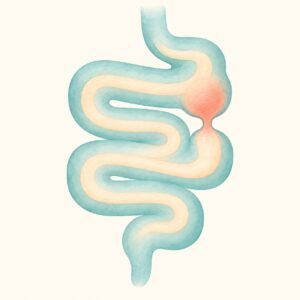
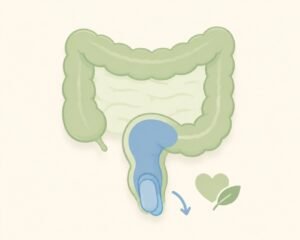
- Colostomy — an opening from the large bowel (colon). The stool is usually thicker and more formed. In children a colostomy is most often made for a baby born without a normal bottom opening (imperforate anus), for complicated Hirschsprung disease, for some cloacal malformations, for a part of the colon that did not form (colonic atresia), or after serious injury to the bottom area.
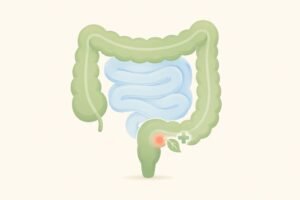
- Ileostomy — an opening from the small bowel (ileum). The output is more liquid and contains more salt and water. It is used for blockages low in the newborn bowel (such as long-segment Hirschsprung disease or complex meconium ileus), for the bowel emergency of premature babies (necrotizing enterocolitis), and for some older children with bowel disease.
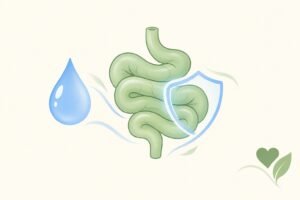
Because the small bowel loses more water and salt, an ileostomy needs more careful attention to fluids than a colostomy. There are also less common types, such as a feeding opening into the small bowel, and a small opening used to give washouts for very severe constipation.
Will the Stoma Be Permanent?
In children, a stoma is usually not permanent. This is an important difference from adults. Most children’s stomas are made to solve a problem for a while — to divert stool until the real repair is done, or to let injured bowel recover. Once the child is well and the bowel below is ready, the stoma is closed in a later operation and the bowel is joined back up. Your surgeon will tell you the likely plan and timing for your child’s specific condition.
Caring for the Stoma at Home
Before the operation, the surgeon chooses and marks the exact spot for the stoma — on a rounded, convex part of the tummy, away from the belly button, bony points and skin creases, so the bag sticks well and does not leak. A stoma nurse or the surgical team will teach you how to empty and change the bag and how to protect the skin. The main points parents learn are:
- Empty the bag before it is too full, and change the appliance before it leaks.
- Keep the skin around the stoma clean and dry. A well-fitting bag is the best protection against a sore, red skin from leaking stool.
- The stoma itself is normally beefy-red and moist. Gentle cleaning does not hurt your child, and a little bleeding when you clean it can be normal.
- If your child has an ileostomy, watch for signs of losing too much fluid (fewer wet nappies, a dry mouth, being sleepy or floppy), especially during a diarrhoea illness.
Problems to Watch For
Stomas save lives, but they do have a fairly high rate of problems, and small-bowel stomas cause more trouble than colostomies. Knowing the common problems helps you spot them early.
- Prolapse — the bowel telescopes out and looks longer than before. This is common, happening in more than 20 out of 100 children. If the prolapsed stoma stays pink and the child is well, it is usually not an emergency and can often be gently pushed back. If it turns dark, dusky or blue, go to hospital urgently — this needs prompt treatment. A practical trick your team may use for a swollen prolapse is to sprinkle ordinary table sugar on it; the sugar draws out the swelling and makes it easier to reduce.
- Skin irritation — red, raw or itchy skin around the stoma, usually from a leaking bag. A better-fitting appliance and good skin care fix most cases.
- Narrowing, pulling back in, or a hernia around the stoma — the team will check for these at follow-up.
- Bleeding — a little oozing when cleaning is normal, but heavy bleeding from the stoma needs medical review.
Closing the Stoma
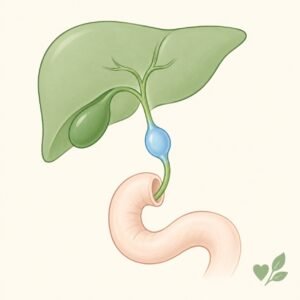
When the time comes to close the stoma, the surgeon first needs to be sure the bowel below the stoma is open and healthy. Before closure, an X-ray is usually taken after dye is put into the lower bowel to check that there is no narrowing or blockage further down. This check is especially important if your child had a stoma after bowel that had lost its blood supply, such as after necrotizing enterocolitis. At the closing operation the two ends of the bowel are joined back together, and stool can once again pass the normal way.
What Every Parent Must Know
- A stoma brings a part of the bowel to the tummy surface so stool passes into a bag, resting or bypassing the bowel below.
- A colostomy is from the large bowel; an ileostomy is from the small bowel and loses more fluid and salt.
- In children a stoma is usually temporary and is closed in a later operation.
- Gentle cleaning of the stoma does not hurt your child.
- A good-fitting bag and dry skin prevent most problems. Prolapse is common and is usually not an emergency unless the stoma turns dark.
- Before closure, doctors check that the bowel below the stoma is open, especially after necrotizing enterocolitis.
When to See a Doctor
Contact your surgical team promptly if the stoma turns dark, dusky or blue, if it stops passing stool and gas and the tummy swells, if there is heavy bleeding, or if the skin around it becomes very sore or broken. For a child with an ileostomy, seek care if there are signs of losing too much fluid — fewer wet nappies, a dry mouth, or being unusually sleepy or floppy — particularly during a bout of diarrhoea. When in doubt, it is always right to call.
Dr. Tanmay Motiwala is a pediatric surgeon in Raipur, Chhattisgarh, trained at AIIMS Jodhpur. He creates and later closes stomas in newborns and children with anorectal malformations, Hirschsprung disease, necrotizing enterocolitis and other bowel conditions, and supports families through stoma care from across Chhattisgarh and central India.
Related reading:
- My Baby Was Born Without a Normal Bottom Opening — What Does It Mean?
- Baby Not Passing Stool Since Birth? It Could Be Hirschsprung Disease
- My Premature Baby’s Tummy Is Swollen in the NICU — What Is NEC?
📋 This article is part of Dr. Motiwala’s Colorectal & Anorectal Surgery in Raipur services — see the full range of conditions treated, what to expect, and when to see a pediatric surgeon.
Related conditions parents also read
- Baby born without a normal bottom opening (anorectal malformation)
- Baby not passing stool since birth (Hirschsprung disease)
- Swollen tummy in a premature baby (necrotizing enterocolitis)
Worried about your child? Dr. Tanmay Motiwala consults in Raipur, Jagdalpur & Rajim. Book an appointment or call +91 83190 84711.
⚠️ Important Disclaimer: This article is for general information and educational purposes only. It is not a substitute for professional medical advice, diagnosis, or treatment. Every child’s condition is different — facts, prognosis, and management can vary significantly from case to case. Please consult a qualified pediatric surgeon for advice specific to your child.
Sources: Coran’s Pediatric Surgery (7th ed), Ch. 98 (Stomas of the Small and Large Intestine), Gauderer; Rob & Smith’s Operative Pediatric Surgery (7th ed).