You keep noticing a small, angry, red swelling right beside your baby’s bottom. It looks sore, your baby cries when it is touched or during a nappy change, and sometimes it bursts and leaks a little pus. Then it seems to heal — only to come back in the same spot. This is almost always a perianal abscess, and the small tunnel it can leave behind is called a fistula-in-ano. This article explains, in plain language, what they are, why they mostly happen in baby boys, and the reassuring fact that most heal on their own without an operation.
What Is a Perianal Abscess?
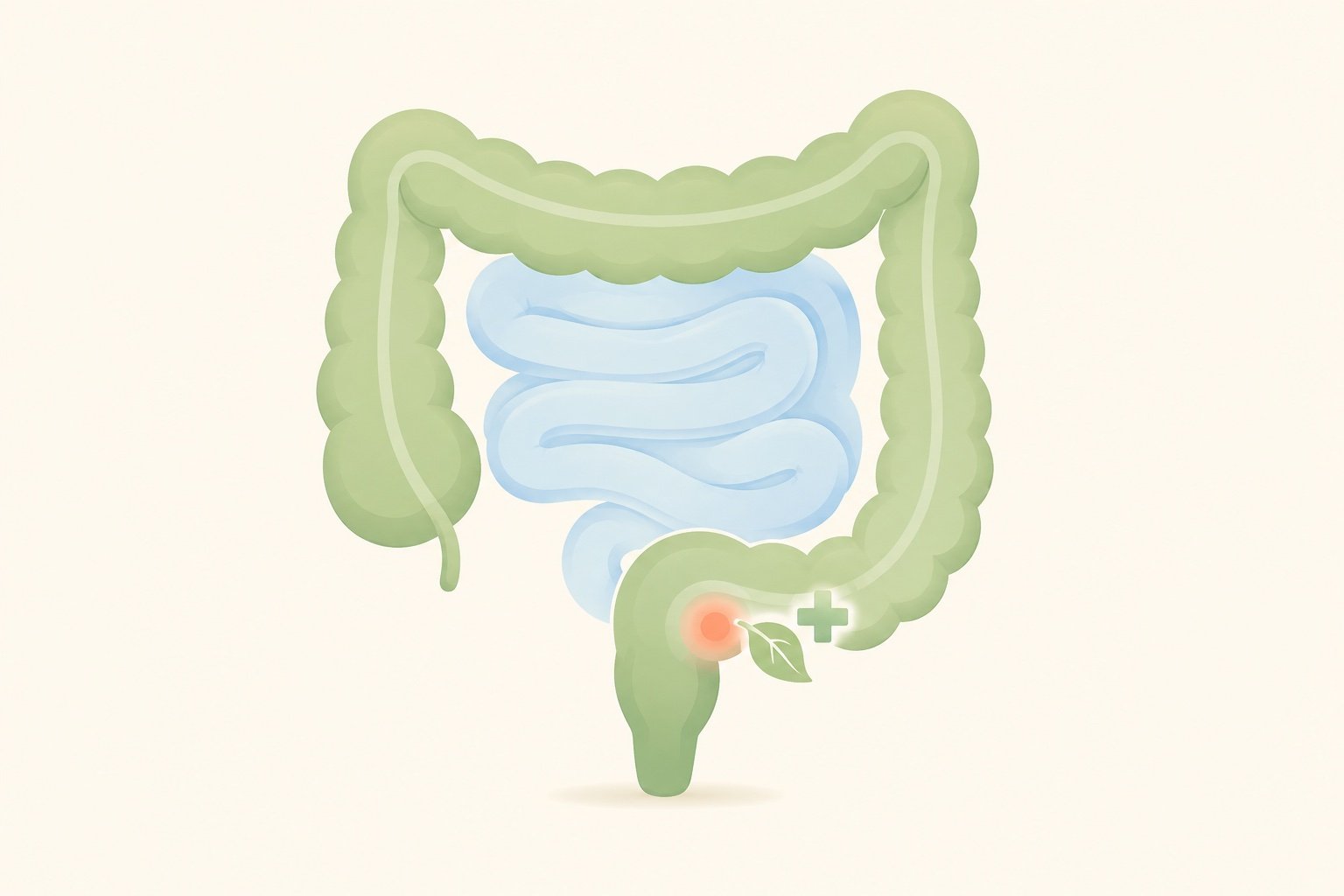
A perianal abscess is simply a small pocket of pus in the skin next to the anus (the back passage). An infection collects there and forms a tender red lump. When the pressure builds, it often bursts and drains pus on its own, which is why parents see it leak and then partly settle. In babies these pockets are usually just under the skin and shallow, not deep.
Why It Mostly Happens in Baby Boys Under Six Months
This is one of the most useful things for parents to know. Perianal abscesses are most common in male infants under six months of age. It is not caused by poor hygiene or anything a parent did wrong — it simply reflects how common this problem is at this young age. In about 15 to 20 out of every 100 children, more than one abscess forms rather than a single one.
When an Abscess Leaves a Small Tunnel (Fistula-in-Ano)
After an abscess drains, a small tunnel can form between the infected gland inside the anal canal and the skin outside. This tunnel is called a fistula-in-ano. It is why the same spot keeps discharging a little pus and then healing over, again and again — the tunnel keeps the two ends connected. In babies, these tunnels are usually short and straight, just under the skin, not deep or branching.
The Reassuring Part — Most Heal on Their Own
This is the most important message for parents, and it is honest good news. For infants, doctors now favour waiting and simple care rather than rushing to surgery, because most perianal abscesses and fistulas in babies heal by themselves as the child grows — usually within about 12 to 24 months. Care is gentle: keeping the area clean and dry, and letting the tiny tunnel close on its own as your baby grows. Cutting into the fistula is usually avoided in babies because the traditional operation carries a real chance — 10 to 20 out of 100 — that the problem comes back.
When an Operation Is Needed
A tense, painful abscess that will not drain may need a small cut to let the pus out so your baby is comfortable. For a fistula that keeps coming back and does not settle despite waiting, or in an older child or teenager, the surgeon may open the tunnel in a small operation (called a fistulotomy). In older children a fistula is treated much as it is in adults, and the surgeon will first want to rule out other bowel conditions before operating (see below).
When It Can Point to Something More
In a young baby, a simple abscess or fistula is almost always just that — nothing more. But certain features make a surgeon look further, especially in an older child or teenager: a fistula appearing for the first time later in childhood, several tunnels at once, or openings that are off to the side rather than in the midline. These can be a sign of an underlying bowel inflammation called Crohn’s disease, so the surgeon may arrange further tests before treating. Raising this is not to frighten you — it is exactly how a careful surgeon avoids missing a rarer cause.
What Every Parent Must Know
- A perianal abscess is a small pocket of pus beside the anus — it is not caused by poor hygiene.
- It is most common in baby boys under six months; in 15 to 20 out of 100 children, more than one forms.
- A leftover small tunnel (fistula) is why the same spot keeps discharging pus and healing over.
- Most heal by themselves in babies, usually within 12 to 24 months — waiting and gentle care is now preferred over surgery.
- The traditional cutting operation is often avoided in babies because it comes back in 10 to 20 out of 100 cases.
- A fistula that appears later in childhood, or several tunnels off to the side, can point to Crohn’s disease and needs a closer look.
When to See a Doctor
See a pediatric surgeon if the swelling is large, tense and very painful, if your baby has a fever or seems unwell, or if the same spot keeps discharging pus over weeks and months. Most cases need only reassurance and simple care, but a surgeon can confirm it is a straightforward abscess, drain one that is causing pain, and — in an older child — check that nothing more is going on before any operation.
Dr. Tanmay Motiwala is a pediatric surgeon in Raipur, Chhattisgarh, trained at AIIMS Jodhpur. He assesses perianal abscesses and fistulas in babies and children from across Chhattisgarh and central India, and favours gentle, conservative care wherever it is safe, operating only when it is truly needed.
Related reading:
- My Child Cries and Bleeds When Passing Hard Stools — Is It an Anal Fissure?
- Constipation in Children: Causes, Treatment & When to See a Pediatric Surgeon
- Baby Not Passing Stool Since Birth? It Could Be Hirschsprung Disease
📋 This article is part of Dr. Motiwala’s Pediatric Colorectal & Anorectal Surgery in Raipur services — see the full range of conditions treated, what to expect, and when to see a pediatric surgeon.
Related conditions parents also read
- Crying and bleeding when passing hard stools (anal fissure)
- Constipation in children (causes and treatment)
- Baby not passing stool since birth (Hirschsprung disease)
Worried about your child? Dr. Tanmay Motiwala consults in Raipur, Jagdalpur & Rajim. Book an appointment or call +91 83190 84711.
⚠️ Important Disclaimer: This article is for general information and educational purposes only. It is not a substitute for professional medical advice, diagnosis, or treatment. Every child’s condition is different — facts, prognosis, and management can vary significantly from case to case. Please consult a qualified pediatric surgeon for advice specific to your child.
Sources: Coran’s Pediatric Surgery (7th ed), Ch. 104 (Other Disorders of the Anus and Rectum, Anorectal Function), Rintala & Pakarinen.