Your baby was born early and is growing in the NICU (the newborn intensive care unit). Then the team tells you that feeds have been stopped, the tummy is swollen, and they are worried about “NEC”. You probably have many questions and very little time. Here is what necrotizing enterocolitis (NEC) is, what the doctors look for, when surgery is needed, and what the outlook really is.
What Is NEC?
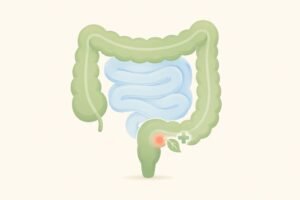
NEC is a serious illness in which part of a newborn baby’s bowel becomes inflamed and injured. In mild cases the lining of the bowel is irritated. In severe cases a section of the bowel wall dies. It can then develop a hole (perforation), letting bowel contents leak into the tummy. NEC is the most common and most dangerous acquired bowel emergency in newborns. “Acquired” means it develops after birth. The last part of the small bowel and the first part of the large bowel are the areas most often affected.
Which Babies Get NEC?
Being born early is the biggest risk factor. Most babies with NEC are premature and very small at birth (very low birth weight). Their bowel lining, bowel movement and digestion are still immature. Only 7 to 13 out of 100 babies with NEC are born at full term. Doctors think NEC happens when an immature, easily injured bowel lining meets bacteria in the bowel and milk feeds. Formula feeding increases the risk, while breast milk is strongly protective.
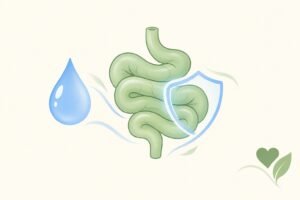
Breast Milk Protects Premature Babies
Breast milk contains natural growth factors that help protect the bowel lining. Compared with cow’s-milk formula, breast milk clearly lowers the chance of NEC that needs surgery. In studies, 8 premature babies were given breast milk instead of formula. About 1 of them was saved from NEC bad enough to need an operation. If your baby is in the NICU, ask the team how to pump or hand-express breast milk, store it and bring it in. If you cannot pump enough, tell the team. It is not your fault. Some units also use probiotics, which may give extra protection. Ask your baby’s NICU doctor whether probiotics are used in your unit.
Warning Signs
NEC often starts quietly. Early signs can be vague, such as trouble keeping a steady temperature, pauses in breathing (apnea), or the baby seeming less well. Bowel signs then follow:
- A swollen, tight tummy
- Green (bilious) vomiting, or large amounts of milk left in the stomach before the next feed
- Redness or discolouration of the tummy skin
- Blood in the stool or diaper
In a baby who is already in hospital, the NICU team watches closely for these signs. If your baby has been discharged and was born early, any of these signs needs emergency care.
How Doctors Diagnose NEC
The key test is a tummy X-ray, repeated over time to see if things are changing. A typical finding is small bubbles of gas inside the bowel wall. Doctors call this pneumatosis intestinalis. Free air in the tummy means the bowel has developed a hole. But in up to 37 out of 100 babies with a hole, the X-ray does not show free air. So doctors also rely on how the baby is doing. When I am called to see a baby with suspected NEC, I look for free air on the X-rays. I also watch how the baby is changing over time. Blood tests are also important. Platelets are the blood cells that help clotting. A falling platelet count is one of the most reliable signs that the illness is getting worse. Doctors often group NEC into three stages (suspected, definite and advanced) to guide treatment.
Treatment Without Surgery
Many babies with NEC are treated without an operation. These steps happen in hospital, done by the NICU team. If your baby is at home and has the signs above, go to hospital straight away. Do not stop feeds at home and wait. In hospital, the team will:
- Stop milk feeds so the bowel can rest
- Pass a thin tube into the stomach to keep it empty
- Give fluids and nutrition straight into a vein (drip nutrition, called TPN)
- Give antibiotics through a vein, usually for 7 to 14 days
The baby is checked with repeated examinations, X-rays and blood tests. If the baby improves, the team restarts milk feeds slowly.
When Surgery Is Needed
The one clear reason for surgery is a hole in the bowel. The surgeon may also operate if the baby keeps getting worse despite full medical treatment. Surgery may also be needed if tests suggest that part of the bowel has died. There are two main approaches:
- A drain: in very small, very sick babies (often under 1,000 grams), the surgeon may place a small tube in the tummy at the bedside. This lets out air and fluid and can stabilise the baby. Large trials found no significant difference in the number of babies who died, whether they had a drain first or an operation first. But the drain is often a first step, not the last one. In one trial, about 74 out of 100 babies with a drain later needed the full operation.
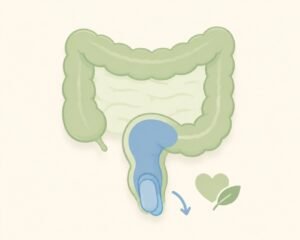
- An operation (laparotomy, which means opening the tummy): the surgeon removes the dead bowel and saves as much healthy bowel as possible. In some stable babies with only a small area affected, the healthy ends can be joined straight away. More often, the bowel is brought out onto the tummy as a stoma. A stoma is an opening that lets stool come out into a bag while the bowel heals. If it is unclear how much bowel will survive, the surgeon may plan a second-look operation 2 to 3 days later. This is planned, not a sign that something went wrong. Milk feeds are usually restarted slowly about 10 to 14 days after the operation. The stoma is usually closed in a later operation, often after about 2 to 4 months. Before that, an X-ray taken after dye is put into the bowel checks that the bowel below the stoma is open.
The Outlook
NEC is the most common and most dangerous acquired bowel emergency in newborns. How a baby does depends on how early the baby was born, the baby’s size, and how much bowel is affected. The most serious situation is when almost the entire bowel has died in a baby weighing under 1,000 grams. In these babies, death approaches 100 out of 100.
Babies who survive can still face problems:
- Bowel narrowing (stricture): in 9 to 36 out of 100 survivors, a part of the bowel narrows as it heals. It can happen whether or not your baby had an operation. It is more common after treatment without surgery. It shows up weeks later as feeding trouble, a swollen tummy or blood in the stool. It needs an X-ray taken after dye is put into the bowel, and often an operation to remove the narrowed part.
- Short bowel: if a lot of bowel had to be removed, the baby may not absorb enough food. This affects up to 23 out of 100 babies who survive surgery, and some need drip nutrition for a long time.
- Stoma problems: the stoma can swell out, narrow, pull back in, or lose a lot of fluid. These problems occur in 34 to 68 out of 100 babies with a stoma.
- Development: up to 50 out of 100 of the smallest babies (under 1,000 grams) who needed surgery later have problems with development (neurodevelopmental impairment).
What Every Parent Must Know
- Breast milk strongly protects premature babies against NEC. Formula increases the risk.
- A swollen tummy, green vomit or blood in the diaper is an emergency. At home, go to hospital straight away.
- Many babies recover without an operation. A hole in the bowel means a drain or an operation.
- The outlook depends on how early the baby was born, the baby’s size, and how much bowel is affected.
- Survivors need long-term follow-up for bowel narrowing, short bowel and development.
When to See a Doctor
If your baby is in the NICU, tell the nurses or doctors at once about any of these: a swollen tummy, green vomit, blood in the diaper, or a baby who seems less active. Has your baby gone home? This matters most if your baby was born early or has had NEC before. Go to hospital urgently for any of these signs. Also go if feeding trouble or a swollen tummy starts weeks after recovery. This can mean the bowel has narrowed. Ask for a pediatric surgeon to be involved early when NEC is suspected.
Dr. Tanmay Motiwala is a pediatric surgeon in Raipur, Chhattisgarh, trained at AIIMS Jodhpur. He works with neonatal teams to assess and operate on newborns with NEC and other newborn surgical emergencies from across Chhattisgarh and central India, and follows up babies through stoma closure and beyond.
Related reading:
- My Baby’s Vomit Turned Green — Why This Is an Emergency
- My Baby Was Born With the Bowel Outside the Tummy — Gastroschisis and Omphalocele
- My Newborn Chokes, Froths and Turns Blue When Fed — What Is Esophageal Atresia?
📋 This article is part of Dr. Motiwala’s Neonatal & Newborn Surgery in Raipur services — see the full range of conditions treated, what to expect, and when to see a pediatric surgeon.
Related conditions parents also read
- Green vomiting in a baby (malrotation and volvulus)
- Baby born with the bowel outside the tummy (gastroschisis)
- Newborn choking and frothing with feeds (esophageal atresia)
Worried about your child? Dr. Tanmay Motiwala consults in Raipur, Jagdalpur & Rajim. Book an appointment or call +91 83190 84711.
⚠️ Important Disclaimer: This article is for general information and educational purposes only. It is not a substitute for professional medical advice, diagnosis, or treatment. Every child’s condition is different — facts, prognosis, and management can vary significantly from case to case. Please consult a qualified pediatric surgeon for advice specific to your child.
Sources: Coran’s Pediatric Surgery (7th ed), Ch. 94 (Necrotizing Enterocolitis), Sylvester, Liu & Albanese; Rob & Smith’s Operative Pediatric Surgery (7th ed).