Many parents find it by chance. While bathing or dressing a small child, a hand rests on the tummy and feels a firm, smooth lump that does not hurt. The child is playing and eating normally. One of the causes doctors check first is Wilms tumour (also spelt Wilms tumor, or called nephroblastoma), a cancer of the kidney in young children. The word “cancer” is frightening. Below is what this tumour is, how it is treated, and why most children with Wilms tumour today are cured.
What Is Wilms Tumour?
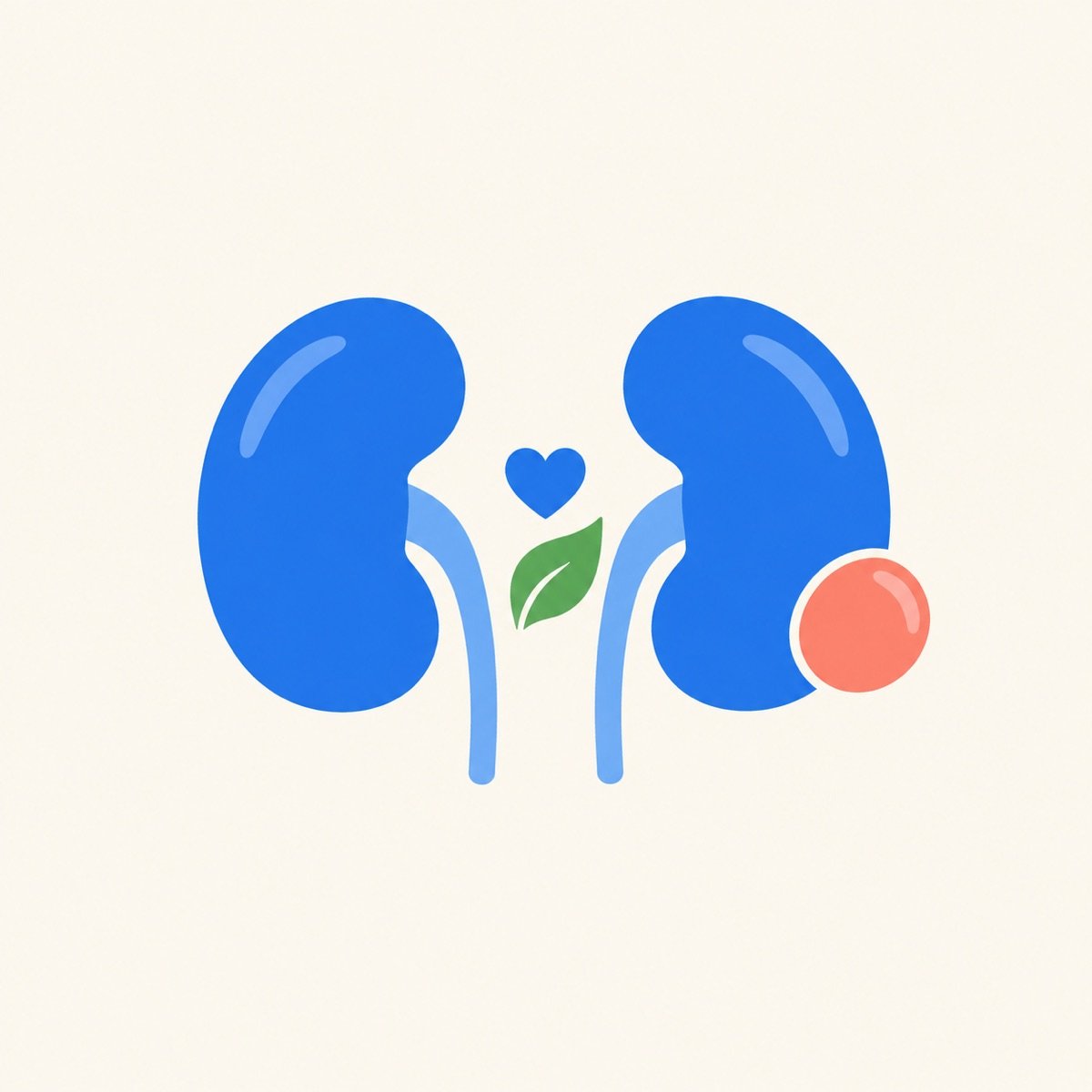
Wilms tumour grows from very early kidney cells that did not finish maturing before birth. It is the most common kidney cancer in children. It makes up about 6 in 100 of all childhood tumours, and affects about 1 in 10,000 children. The average age at diagnosis is 3.5 years. Most children are between 1 and 5 years old. Usually only one kidney is affected. In 4 to 13 in 100 children, both kidneys have a tumour.
Signs Parents Notice
The most common sign is a firm, painless lump or swelling in the tummy in a child who otherwise looks well. Some children have tummy pain, blood in the urine, fever or high blood pressure. About 40 in 100 children have blood in the urine, and 20 to 25 in 100 have high blood pressure, which usually settles once the kidney is removed. Do not press or squeeze the lump again and again to check it. The tumour is soft inside, and it is best left for the doctor to examine gently.
Children Who Need Regular Scans
About 10 in 100 children with Wilms tumour have another condition present from birth. Some rare syndromes carry a higher risk. These include WAGR syndrome (with a missing coloured part of the eye, the iris), Beckwith-Wiedemann syndrome (a condition in which the body or parts of it grow too large), Denys-Drash syndrome, and one side of the body growing larger than the other (hemihypertrophy). If your child has one of these, ask your doctor about regular tummy ultrasound checks. These are usually done every 3 to 4 months, up to age 5 (age 7 to 8 for Beckwith-Wiedemann syndrome).
How Doctors Confirm It
The first test is an ultrasound of the tummy. It shows that the lump comes from the kidney, and checks whether the tumour has grown into the large vein nearby. Next comes a CT or MRI scan of the tummy and the chest. The chest is included because the lungs are the most common place for this tumour to spread. Blood and urine tests check kidney function. A blood clotting test is also important. 8 to 10 in 100 children with Wilms tumour have a bleeding tendency, and doctors correct it before surgery. When I see a child with a kidney lump, I plan the operation only after these results are in hand.
A lump in the kidney of a baby under 6 months old is more often a different tumour, called mesoblastic nephroma, which is usually not cancer.
Why Doctors Usually Do Not Take a Needle Biopsy
For most cancers, a small sample is taken first. Wilms tumour is different. The tumour is soft and breaks easily. A biopsy, or a tumour that bursts, lets cancer cells spill into the tummy. This counts as a higher stage of disease. The child then needs radiation to the tummy, which they might otherwise have avoided. So, when the scans point clearly to Wilms tumour and it can be removed safely, surgeons avoid a biopsy.
Treatment: Surgery and Chemotherapy
Treatment combines surgery and medicines that kill cancer cells (chemotherapy). Some children also need radiation. There are two accepted ways to order these steps:
- Surgery first (the North American COG approach): the kidney with the tumour is removed first. The tumour is then examined under the microscope, and chemotherapy follows.
- Chemotherapy first (the European SIOP approach): about 4 weeks of chemotherapy shrink the tumour, and surgery follows.
In the operation, the surgeon removes the whole kidney together with the tumour, in one piece, without breaking it. The surgeon also takes samples of the nearby lymph glands. These samples decide the stage, and skipping them can lead to the cancer coming back. A child lives normally with one healthy kidney. The chance of kidney failure after losing one kidney to Wilms tumour is under 1 in 100.
When both kidneys have a tumour, chemotherapy is given first. The surgeon then removes only the tumour and saves as much healthy kidney as possible (partial nephrectomy).
Stages and Tumour Type
The stage describes how far the tumour has spread. Stage I is limited to the kidney and fully removed. Stage II has spread just beyond the kidney but is fully removed. Stage III has tumour left in the tummy, in the lymph glands, or spilled during surgery or biopsy. Stage IV has spread through the blood, most often to the lungs. Stage V means both kidneys have a tumour.
The tumour type under the microscope matters too. About 90 in 100 tumours have a “favourable” type. About 10 in 100 show “anaplasia”, which means the cells respond less well to chemotherapy. These children need stronger treatment.
What Are the Chances of Cure?
Wilms tumour is one of the childhood cancers that responds best to treatment. Overall, about 85 to 90 in 100 children with Wilms tumour are cured long-term. For stage I and II disease of the favourable type, survival is about 98 in 100. The outlook is less good with anaplasia, with spread at diagnosis, or when the tumour comes back. Your child’s team will explain the figures that apply to your child.
Treatment can have late effects. One chemotherapy medicine (doxorubicin) can weaken the heart years later, in about 2 to 4 in 100 children who receive it. Radiation can affect growth. Children with tumours in both kidneys have a higher risk of kidney failure. So long-term follow-up continues after treatment ends, with scans, blood pressure and kidney checks.
What Every Parent Must Know
- A firm, painless lump in a young child’s tummy needs a doctor’s check within days, not weeks.
- Do not keep pressing the lump. Let the doctor examine it.
- Surgeons usually avoid a needle biopsy, because a burst tumour needs more treatment.
- Most children with the favourable type are cured.
- Follow-up continues for years after treatment ends.
When to See a Doctor
See a doctor promptly if you feel a lump or swelling in your child’s tummy, or see blood in the urine. See a doctor urgently if the lump is growing fast, or your child has tummy pain, fever, vomiting or looks pale. Children with WAGR, Beckwith-Wiedemann or Denys-Drash syndrome, or with one side of the body larger than the other, should have regular tummy scans as advised by their doctor.
Dr. Tanmay Motiwala is a pediatric surgeon in Raipur, Chhattisgarh, trained at AIIMS Jodhpur. He assesses and operates on children with Wilms tumour and other tummy lumps from across Chhattisgarh and central India, working with the child’s cancer specialist team.
📋 This article is part of Dr. Motiwala’s General & Abdominal Surgery in Raipur services — see the full range of conditions treated, what to expect, and when to see a pediatric surgeon.
Related conditions parents also read
- A lump in the child’s neck
- Swollen baby kidney on the scan (antenatal hydronephrosis)
- Is surgery safe for my child? 7 questions parents ask
Worried about your child? Dr. Tanmay Motiwala consults in Raipur, Jagdalpur & Rajim. Book an appointment or call +91 83190 84711.
⚠️ Important Disclaimer: This article is for general information and educational purposes only. It is not a substitute for professional medical advice, diagnosis, or treatment. Every child’s condition is different — facts, prognosis, and management can vary significantly from case to case. Please consult a qualified pediatric surgeon for advice specific to your child.
Sources: Coran’s Pediatric Surgery (7th ed), Ch. 30 (Wilms’ Tumor), Ehrlich & Shamberger.