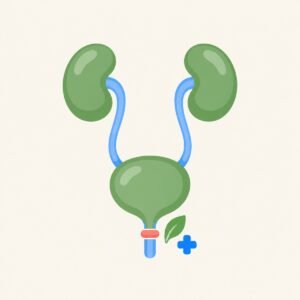
Perhaps the pregnancy scan showed a large bladder and two swollen kidneys in your baby boy. Or your newborn son passes urine in a weak dribble, or keeps getting fevers from urine infection. One cause of this picture is posterior urethral valves (PUV). Below is what these valves are, how they are treated, and why your son will need check-ups on his kidneys and bladder for the rest of his life.
What Are Posterior Urethral Valves?
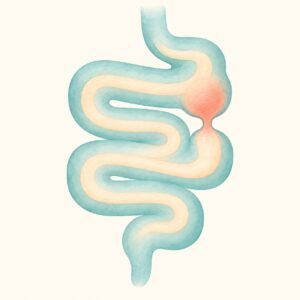
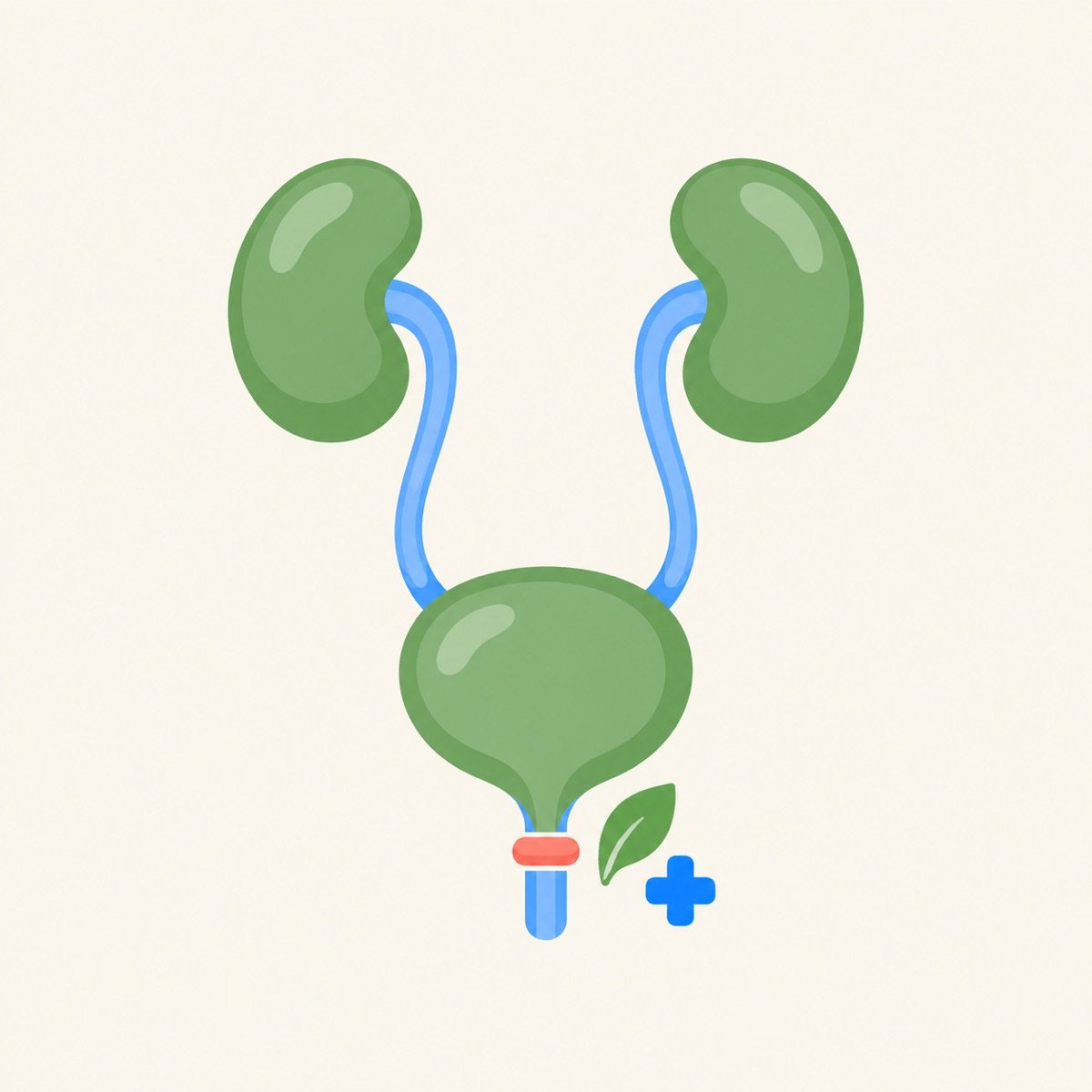
Urine leaves the bladder through a tube called the urethra. In PUV, thin flaps of tissue form inside the urethra, just below the bladder. A baby is born with these flaps. They act like a partly closed door, so the bladder has to push very hard to empty. The high pressure travels back up to the kidneys and can damage them, even before birth. PUV happens only in boys. It is the most common cause of a blocked bladder outlet in newborn boys, affecting about 1 in 5,000 to 1 in 8,000 baby boys.
Signs on the Pregnancy Scan
Many boys with PUV are now first picked up on a pregnancy ultrasound. The scan may show a large, thick-walled bladder, both kidneys swollen with urine, and a widened urethra just below the bladder. Doctors call this shape the “keyhole sign”. The fluid around the baby (amniotic fluid) may also be low. Low fluid is the most serious early warning, because the baby’s lungs need this fluid to grow. Babies with very low fluid may be born with small, weak lungs.
Some families are offered a procedure before birth, such as a shunt tube that drains the baby’s bladder. This has not been shown to protect the kidneys in the long run, and it carries risks for mother and baby, such as early labour, bleeding and infection. Most babies are treated after birth.
Signs After Birth and in Older Boys
A newborn boy with PUV may have a weak or dribbling urine stream, or strain to pass urine. The bladder may be felt as a firm lump in the lower tummy. Some babies first come to a doctor with fever from a urine infection, poor feeding or poor weight gain. Boys with milder valves may be found later, with daytime wetting, repeated urine infections or a weak stream.
How Doctors Confirm It
An ultrasound after birth shows the kidneys and bladder. The key test is a micturating cystourethrogram (MCU, also called VCUG). A thin tube puts dye into the bladder, and X-ray pictures are taken while the baby passes urine. In PUV, the urethra above the valves looks wide, and the bladder wall looks thick and ridged. Blood tests check how well the kidneys are working. When I see a newborn boy with suspected PUV, I also check his salts and fluid balance carefully before any operation.
The First Step: Drain the Bladder, Not Rush to Theatre
A newborn with PUV first needs medical care, not an emergency operation. A thin, soft tube is passed into the bladder so that urine can drain freely. Doctors use a fine feeding tube for this, not a balloon catheter, because a balloon can irritate the thick bladder and block the drainage. Once the blockage is relieved, the kidneys may suddenly pass large amounts of urine. So the baby needs drip fluids, close checks on blood salts, and antibiotics to prevent infection. The operation is done once the baby is stable.
The Operation: Opening the Valves With a Telescope
The main treatment is valve ablation. The surgeon passes a very thin telescope (cystoscope) through the urine opening of the penis. There is no cut on the skin. The surgeon sees the flaps directly and cuts through them at a few points with a fine electric wire or a laser. The aim is to open the flaps, not to scrape them away, because too much cutting can scar the urethra. A small urine tube usually stays in for a short time afterwards.
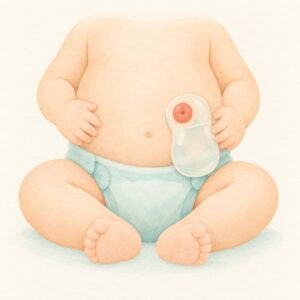
Some babies are born too early, and the urethra is too small for the telescope. Other babies are too unwell. These babies may first need a vesicostomy, a small opening from the bladder onto the lower tummy, so urine drains into the nappy. This is temporary. The valves are opened later, when the baby is bigger, and the opening is then closed.
Surgeons strongly advise circumcision for boys with PUV. Without it, 50 to 60 in 100 of these boys get a urine infection. Circumcision lowers this risk by 83 to 92 in 100.
After Surgery: Why PUV Is Not “Cured”
Opening the valves removes the blockage. It does not undo the damage the kidneys and bladder suffered before birth. Parents need to know this clearly.
- Kidneys: in the past, about half of these babies died in infancy. With modern newborn care, this has fallen to 1 to 3 in 100. Even so, 20 to 50 in 100 boys with PUV develop kidney failure, sometimes silently in the teenage years. Some will need dialysis or a kidney transplant. Kidney transplants in these boys now work about as well as in other children.
- Blood test in the first year: the lowest creatinine level (a kidney blood test) reached in the first year of life is the strongest single sign of the future. A lowest level above about 0.8 to 1.0 mg/dL suggests a higher risk of kidney failure later.
- Urine flowing back (reflux): 30 to 50 in 100 boys with PUV have urine flowing back from the bladder to the kidneys. In a third to a half of them, this settles on its own after the valves are opened. Doctors treat the bladder first, rather than operating on the tubes.
- “Valve bladder”: the bladder may stay thick and stiff in early childhood. Later, it may become weak and stop emptying fully. Urine left behind raises pressure on the kidneys again. Treatment may include passing urine on a timetable, passing urine twice in a row, medicines, or emptying the bladder with a clean catheter.
For these reasons, follow-up with a pediatric surgeon or urologist and a kidney specialist must continue for life, with regular blood tests, blood pressure checks, scans and bladder reviews, even when your son looks well.
What Every Parent Must Know
- A large bladder and two swollen kidneys on a boy’s pregnancy scan need a pediatric surgeon’s review soon after birth.
- The first step is draining the bladder and stabilising the baby. The operation comes after that.
- The valves are opened with a telescope. There is no cut on the skin.
- Opening the valves does not guarantee healthy kidneys. 20 to 50 in 100 boys develop kidney failure over time.
- Check-ups on the kidneys and bladder are for life.
When to See a Doctor
See a doctor urgently if your baby boy has a weak or dribbling urine stream, a swollen lower tummy, fever, poor feeding or vomiting. If a pregnancy scan showed a large bladder or swollen kidneys, arrange a pediatric surgeon’s review soon after birth, even if your baby looks healthy. A boy already treated for PUV should be seen quickly for any fever, and should never miss a follow-up visit.
Dr. Tanmay Motiwala is a pediatric surgeon in Raipur, Chhattisgarh, trained at AIIMS Jodhpur. He assesses and treats newborns and boys with posterior urethral valves and other urinary tract problems from across Chhattisgarh and central India, including telescopic valve ablation and long-term follow-up.
📋 This article is part of Dr. Motiwala’s Pediatric Urology in Raipur services — see the full range of conditions treated, what to expect, and when to see a pediatric surgeon.
Related conditions parents also read
- Swollen baby kidney on the pregnancy scan (antenatal hydronephrosis)
- Urine infections that keep coming back (vesicoureteral reflux)
- Repeated urine infections in children
Worried about your child? Dr. Tanmay Motiwala consults in Raipur, Jagdalpur & Rajim. Book an appointment or call +91 83190 84711.
⚠️ Important Disclaimer: This article is for general information and educational purposes only. It is not a substitute for professional medical advice, diagnosis, or treatment. Every child’s condition is different — facts, prognosis, and management can vary significantly from case to case. Please consult a qualified pediatric surgeon for advice specific to your child.
Sources: Coran’s Pediatric Surgery (7th ed), Ch. 122 (Abnormalities of the Urethra, Penis, and Scrotum), Murphy & Gatti.